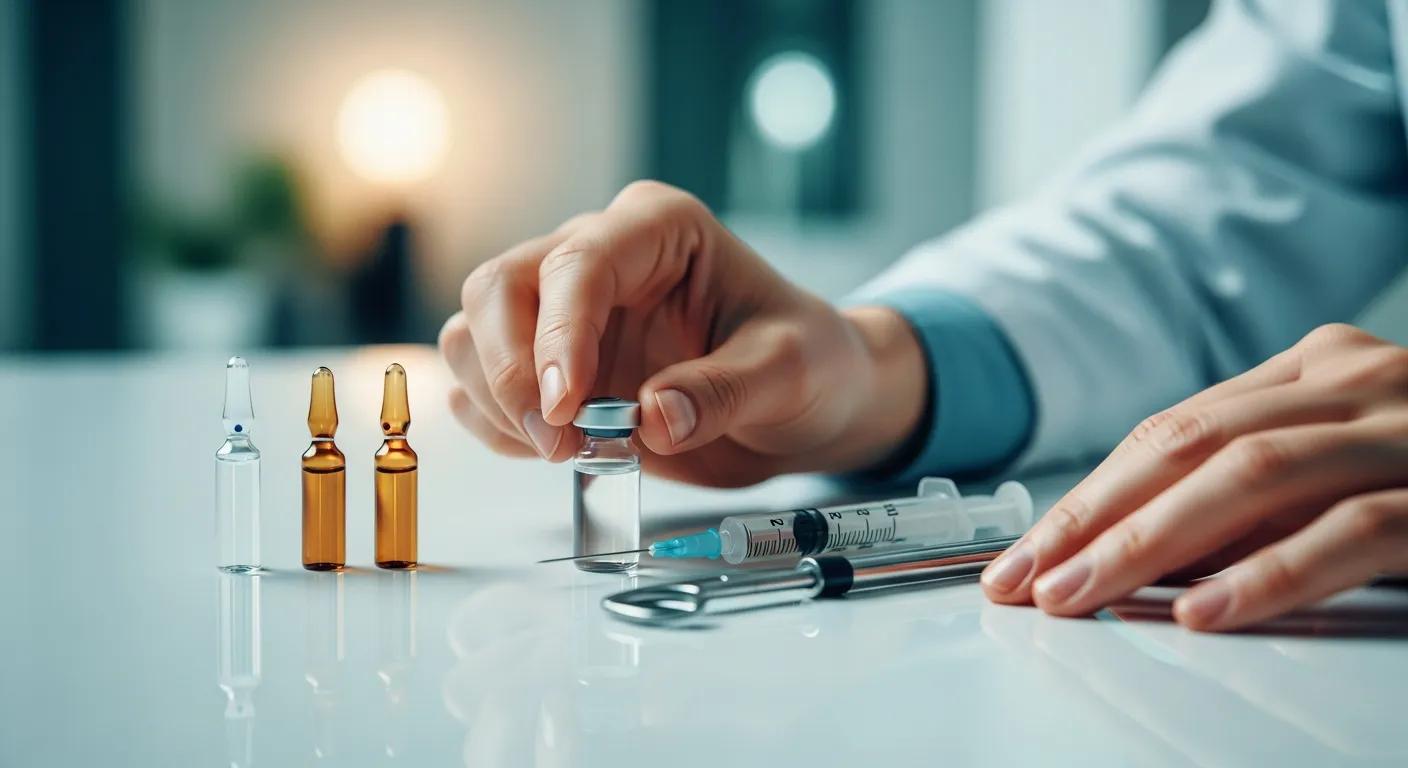
How to Choose Safe, Qualified Injectable Providers
Choosing a Safe, Qualified Injectable Provider
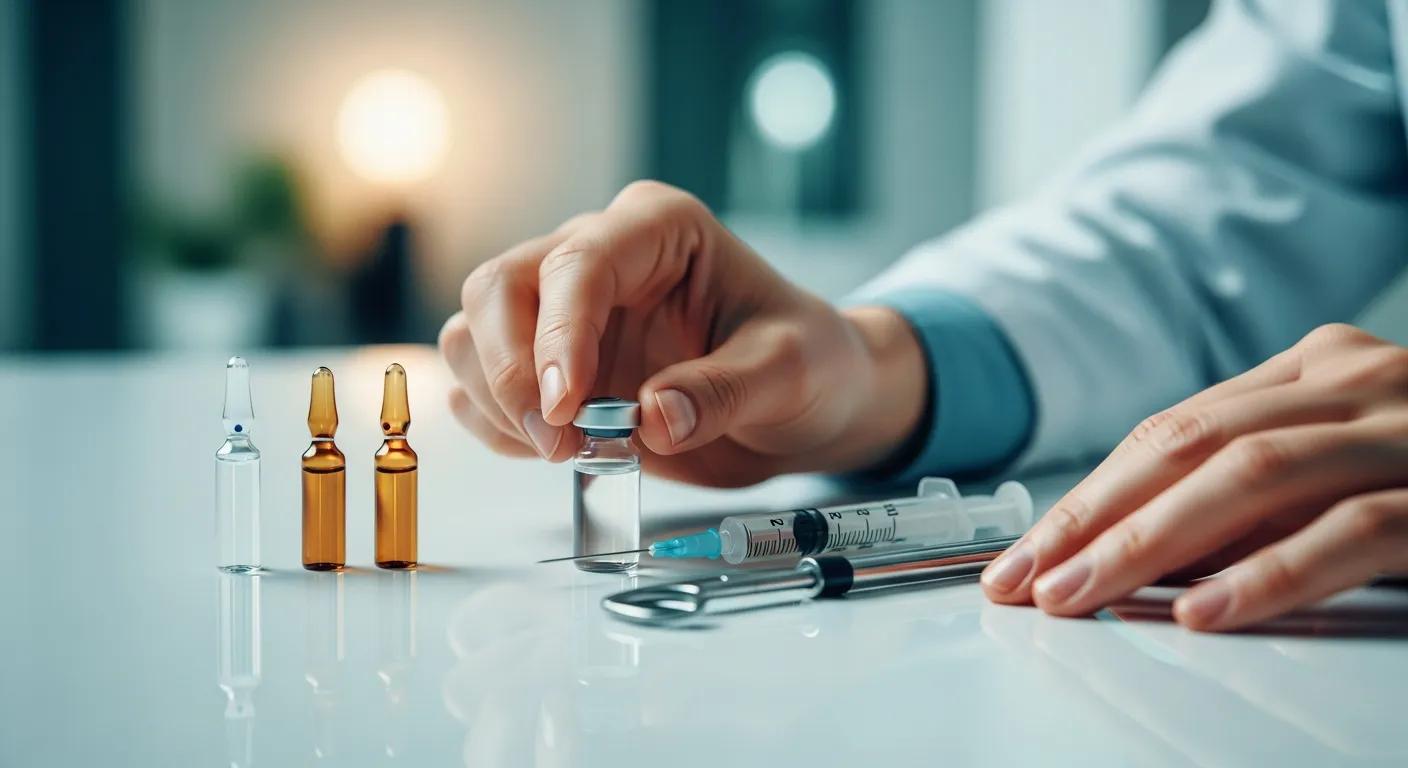
Choosing a safe, qualified injector for Botox or dermal fillers protects your health and helps you get the outcome you want. As these treatments become more common, knowing which credentials and safety practices matter makes it easier to choose confidently. This guide explains the qualifications to check, the role of physician oversight, and the safety steps you should expect so you can make informed decisions about injectables.
Medical aesthetics can feel overwhelming—especially when safety is your top priority. Below we break down the key things to evaluate when selecting an injector: essential credentials, why physician supervision matters, standard patient-safety protocols, relevant Texas rules, and practical questions to ask. We also explain how Oasis Medical Clinic & Spa applies these standards every day.
What Are the Essential Qualifications of a Safe, Licensed Injectable Provider?
Before you book an injectable, confirm the provider’s credentials. The right qualifications show medical knowledge, technical skill, and a clear commitment to patient safety.
Which Medical Credentials and Certifications Should You Verify?

When evaluating an injector, look for these core credentials:
- Medical License: Confirm the provider holds an active medical license in the state where they practice.
- Board Certification: Prefer providers board-certified in relevant fields (dermatology, plastic surgery, facial plastic surgery)—it reflects advanced training and oversight.
- Specialized Training: Make sure the injector has focused instruction in facial anatomy and injectable techniques—hands-on courses and clinical mentorship matter.
Those credentials are solid indicators that a provider is trained and prioritizes patient safety.
How Does Specialized Training and Continuing Education Ensure Injector Competence?
Ongoing training keeps injectors current with best practices and lowers risk. Reputable providers pursue:
- Hands-On Workshops: Practical sessions focused on anatomy, injection technique, and managing complications.
- Continuing Education Courses: Regular coursework to stay updated on new products, techniques, and safety guidance.
- Certification Renewals: Keeping certifications current so training reflects today’s standards.
A clear commitment to continued education reduces complications and improves patient outcomes.
Recent analysis underscores why consistent, standardized training matters: gaps in education increase risks for patients.
Regulated Training & Certification for Aesthetic Providers
Rising demand for aesthetic care has drawn many new providers, some without formal training in aesthetic medicine. When education and certification aren’t standardized, patient safety can suffer—from improper technique to preventable complications and uneven results. This review calls for regulated training and clear competency standards to protect patients and restore public confidence.
The need for regulated training and certification for providers entering into aesthetic medicine, 2025
Why Is Physician Oversight Critical in Medical Aesthetic Injectable Treatments?
Physician oversight adds medical judgment and an extra layer of safety to injectable care. Physicians bring clinical experience that improves risk assessment, complication management, and coordinated follow-up.
How Does Dr. Tobore Kokoricha’s Expertise Enhance Patient Safety?
Dr. Tobore Kokoricha, a board-certified Internal Medicine physician with more than 25 years of clinical experience, leads our team at Oasis Medical Clinic & Spa. Under his leadership, the clinic benefits from:
- Comprehensive Health Assessments: Thorough evaluations to determine whether injectables are appropriate for each person.
- Complication Management: Immediate medical oversight and intervention if complications occur.
- Integrated Care: Coordinating aesthetic treatments within a broader health plan to support long-term wellbeing.
Dr. Kokoricha’s experience is a cornerstone of our commitment to safe, medically grounded care.
What Role Does Physician-Led Care Play in Preventing Complications?
Physician-led care reduces risk through careful planning, supervision, and follow-up. Key benefits include:
- Risk Assessment: Physicians screen for contraindications and tailor plans to each patient’s medical history.
- Procedure Supervision: Physicians provide or oversee treatments so safety protocols are followed consistently.
- Post-Treatment Monitoring: Medical follow-up helps catch and treat adverse reactions early.
This level of oversight lowers complication rates and gives patients more confidence in their care.
Strong oversight is essential because misapplied injections can cause serious, sometimes life‑threatening complications.
Injectable Complications & Regulatory Needs
Injectable procedures carry risks that, if not managed correctly, can be severe—including skin necrosis, vision loss, or stroke from vascular events. These risks reinforce the need for clear regulation, physician involvement, and thorough provider training to protect patients.
Medical Spa legislation, regulations, and guidelines in the
United States, AM Malik, 2025
What Are the Key Patient Safety Protocols for Botox and Dermal Filler Procedures?

Safe injectable care follows established protocols designed to reduce infection and other risks. Providers should follow evidence-based practices at every step.
Which FDA-Approved Products and Sterile Techniques Are Required?
Key safety measures include:
- Use FDA-Approved Injectables: Treatments should use products cleared by the FDA for safety and efficacy.
- Strict Sterile Technique: Consistent infection-control practices—sterile needles, clean workspaces, and single-use supplies—must be standard.
These measures protect your health and make results more predictable.
How Does a Comprehensive Consultation Promote Safe Injectable Outcomes?
A thorough consultation lays the groundwork for a safe, satisfying result. It should cover:
- Your Goals: An honest conversation about what you want and what’s realistic.
- Medical History Review: Screening for allergies, medications, and conditions that affect safety or results.
- Patient Education: Clear explanations of the procedure, typical side effects, and aftercare so you know what to expect.
Good consultations reduce surprises and create a treatment plan tailored to you.
How Do Texas Med Spa Regulations Impact the Selection of Injectable Providers?
Texas regulations establish standards that protect patients and clarify who may own and run med spas and how injectables should be administered.
What Are the Texas Medical Board Requirements for Med Spa Ownership and Injectable Administration?
The Texas Medical Board requires safeguards such as:
- Licensing Requirements: Many med spas must be owned or operated by licensed medical professionals to ensure compliance with medical standards.
- Supervision Rules: Injectable procedures should be performed under a licensed physician’s supervision to promote consistent safety practices.
Those rules are designed to protect patients and maintain quality care.
Can Nurses Administer Botox in Texas Under Physician Supervision?
Yes. In Texas, nurses may administer Botox and other injectables when properly delegated and supervised by a licensed physician. This framework provides:
- Qualified Oversight: A physician remains responsible for treatment planning and patient safety.
- Training Expectations: Nurses performing injectables should have appropriate training and demonstrated competence.
This collaborative model aims to balance safe access to care with strong safeguards.
What Questions Should You Ask to Evaluate Your Potential Injectable Provider?
Asking the right questions helps you evaluate a provider’s qualifications and safety practices. Use this checklist during consultations and phone calls.
Which Checklist Items Help Assess Provider Qualifications and Safety Practices?
Key questions to ask include:
- Credentials: What are your medical qualifications and certifications?
- Experience: How many injectable treatments have you performed?
- Safety Protocols: What safety measures do you follow during and after procedures?
These questions give you a clearer picture of a provider’s training and priorities.
How Can You Verify Credentials and Experience Before Treatment?
Simple verification steps can confirm a provider’s standing:
- Check State Medical Board Records: Verify the provider’s license status and any disciplinary history.
- Request References: Ask for patient testimonials or before-and-after photos from prior treatments.
- Read Reputable Reviews: Look at reviews on trustworthy sites to learn about other patients’ experiences.
Doing this homework helps you pick a reputable, safe provider.
How Does Oasis Medical Clinic & Spa Ensure Safe, Qualified Injectable Treatments?
At Oasis Medical Clinic & Spa, safety and quality guide every injectable treatment. Our team pairs physician oversight with structured training and clear patient communication to deliver reliable, natural-looking results.
We offer a full range of aesthetic services. If you’re also looking to improve skin texture or tone, our laser skin treatments provide advanced options for rejuvenation and correction.
What Is Dr. Kokoricha’s Board Certification and 25+ Years of Experience?
Dr. Kokoricha’s background supports our care model:
- Board Certification: Verification of formal training and clinical standards.
- 25+ Years of Clinical Experience: Decades of patient care inform our approach to safety and outcomes.
His experience guides clinical decisions and helps ensure careful, thoughtful treatments.
How Does the Clinic’s Integrative Medicine Philosophy Enhance Aesthetic Safety and Results?
Our integrative medicine philosophy means we treat the whole person, not just one concern. That approach helps in several ways:
- Personalized Treatment Plans: We tailor care to your health profile and aesthetic goals.
- Whole-Body Wellness: Addressing underlying health issues can improve cosmetic outcomes and recovery.
- Clear Patient Education: We explain risks, benefits, and aftercare so you can make informed choices.
This broader perspective supports safer treatments and better long-term results.
Frequently Asked Questions
What are the potential risks associated with injectable treatments?
Injectable treatments are generally safe but do carry risks such as allergic reactions, infection, and vascular complications. Common side effects include swelling, bruising, and redness at the injection site. Rare but more serious risks can include vision changes or skin necrosis. Discuss these possibilities with your provider during the consultation so you understand and are prepared for potential outcomes.
How can I ensure the injectables used are safe and effective?
To confirm injectables are safe, ask whether your provider uses FDA-approved products. Request the brand names and lot or expiration information if you’d like. Also ask about the provider’s experience with those products and the clinical evidence supporting them. A reputable provider will be transparent about what they use and why.
What should I do if I am unhappy with my injectable results?
If you’re unhappy with your results, contact your provider to discuss your concerns. They may suggest touch-ups or adjustments to reach your goal. In many cases swelling settles and results improve over time. If you remain dissatisfied, consider a second opinion from another qualified clinician.
How can I prepare for my injectable appointment?
To prepare, avoid blood thinners like aspirin or ibuprofen for a few days before your treatment if it’s safe for you, since these can increase bruising. Stay well hydrated and avoid alcohol for at least 24 hours before your appointment. Bring a list of questions to discuss with your provider so you leave the consultation fully informed.
What is the typical recovery time after injectable treatments?
Recovery is usually brief. Most people return to normal activities immediately, although some swelling or bruising can last several days. Avoid strenuous exercise and high heat for 24 hours after treatment. Your provider will give specific aftercare instructions to help your recovery and maximize results.
Are there any age restrictions for receiving injectable treatments?
There are no universal age restrictions, but most providers recommend patients be at least 18 years old. Younger patients may have specific concerns that warrant treatment, but realistic expectations and a thorough consultation are essential. Providers will evaluate individual health and goals to determine appropriateness.
What should I look for in a consultation with an injectable provider?
In a consultation, look for clear communication and careful assessment. A good provider listens to your goals, reviews your medical history, explains realistic outcomes, and outlines risks and aftercare. They should welcome questions and make sure you feel informed and comfortable before any treatment.
How can I identify potential complications from injectable treatments?
Know the common side effects—swelling, bruising, temporary redness—and the warning signs of more serious complications: severe pain, vision changes, growing swelling, or signs of infection. Discuss how complications are managed and confirm your provider has protocols to respond quickly if problems arise.
What are the signs of a qualified injectable provider?
A qualified provider shows medical credentials, demonstrable experience, and a safety-first approach. Look for board certification, an active medical license, before-and-after photos, and positive patient feedback. They should use FDA-approved products and adhere to strict sterile technique.
How often should I have follow-up appointments after injectable treatments?
Follow-up is important to assess results and address any concerns. Many providers schedule a check within two weeks after treatment to review outcomes and make small adjustments if needed. Depending on the product and your goals, ongoing follow-ups every few months may be recommended to maintain results.
What should I do if I experience adverse effects after treatment?
If you notice unusual or severe symptoms after an injectable, contact your provider right away. Mild swelling and bruising are common and usually resolve, but severe pain, increasing redness, fever, or vision changes warrant urgent attention. Follow your provider’s aftercare guidance and seek prompt medical help when advised.
Are there any specific aftercare instructions I should follow post-treatment?
Yes. Typical aftercare includes avoiding strenuous exercise, high heat, and alcohol for at least 24 hours, and not rubbing or massaging the treated area unless directed. Your provider will give instructions tailored to your treatment—follow them closely to protect your results.
Conclusion
Choosing a qualified injectable provider is the first step toward safe, satisfying aesthetic results. By verifying credentials, prioritizing physician oversight, and confirming clear safety protocols, you can protect your health and feel confident in your care. When you’re ready, explore our resources or schedule a consultation—we’ll help you take the next step with care and confidence.
Conclusion
Choosing a qualified injectable provider is essential for safe, satisfying aesthetic results. Verify credentials, confirm physician oversight, and make sure clear safety protocols are in place so you can protect your health and enhance your appearance. When you’re ready to move forward, explore our resources or schedule a consultation with us. Your journey to feeling more confident starts here.
