Acne Scarring Treatment Options in McKinney: What Actually Works
Effective Acne Scarring Treatment Options in McKinney: What Actually Works
Acne scarring commonly affects self‑esteem and the health of the skin. In my experience treating patients in McKinney, the first step is understanding which treatments match the scar type and your goals. This article reviews practical options — primarily laser therapy and microneedling — how they work, their benefits, and what to expect during consultation and recovery.
Key Takeaways
- Laser therapy effectively treats acne scars by stimulating collagen production and skin regeneration.
- Fractional CO2 lasers are particularly effective for atrophic acne scars, improving skin texture.
- Patients often see significant improvement in acne scars after 3-6 laser therapy sessions.
- Microneedling stimulates collagen production, improving skin texture for mild to moderate acne scars.
- Combining microneedling with laser treatments enhances results for severe acne scarring.
- Chemical peels exfoliate skin layers, promoting new growth and reducing acne scar visibility.
- Consultations involve personalized treatment plans based on individual skin type and scar severity.
- Costs for acne scar treatments vary, with laser sessions starting around $300 and microneedling $200-$400.
Laser Therapy
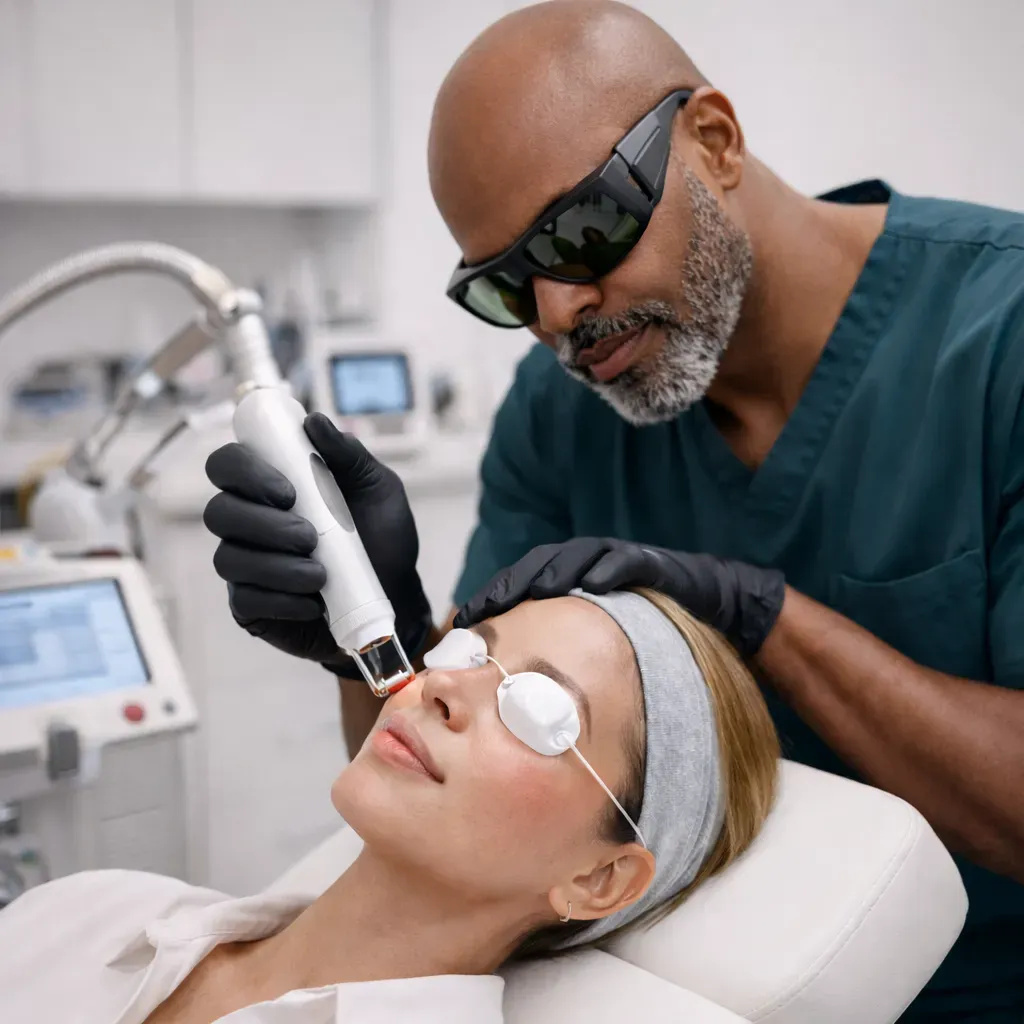
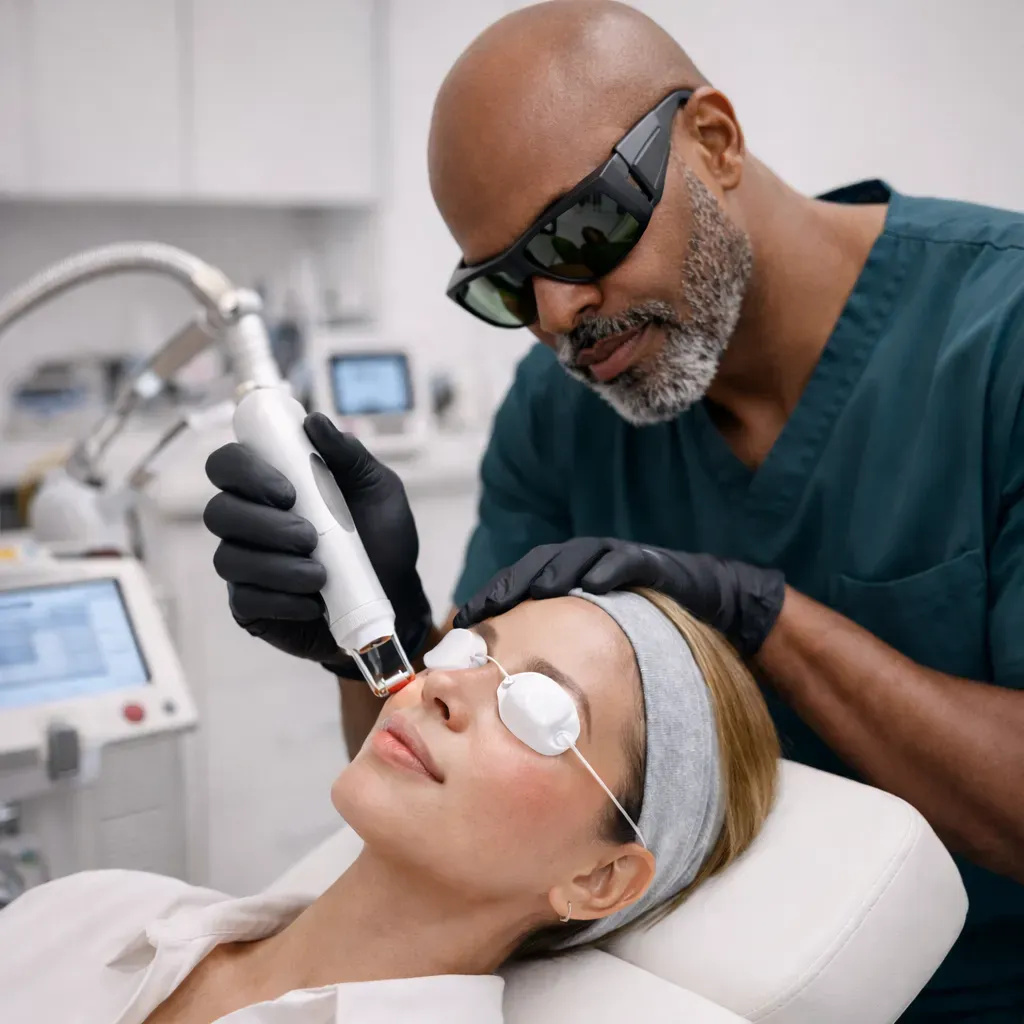
Laser therapy is a commonly used option to improve skin texture and reduce scar visibility. In my practice I use devices that target deeper skin layers to stimulate your body's natural collagen production and encourage regeneration. The outcome is smoother skin and a measurable reduction in scar depth for many patients in the North Dallas area.
In practical terms, the choice of laser, its settings, and the treatment interval are all individualized. During consultation we discuss the anticipated number of sessions, expected downtime, and how we will measure progress. I document photos and skin assessments at baseline and at follow‑up visits so improvements and any side effects are tracked objectively.
Types of Laser Treatments

Different lasers serve different purposes. Fractional lasers create tiny, controlled injuries that trigger healing. Resurfacing lasers remove damaged outer skin to reveal healthier tissue. Both approaches stimulate collagen and can improve texture when matched appropriately to the scar type.
Clinical studies support the use of fractional CO2 lasers for many atrophic acne scars.
Fractional CO2 Laser for Atrophic Acne Scars
atrophic acne scars who received fractional CO 2 laser atrophic acne scars by two clinical dermatologists in the institution; (2) Patients received at least one session of fractional CO 2
Efficacy and adverse reactions of fractional CO2 laser for atrophic acne scars and related clinical factors: A retrospective study on 121 patients, 2022
Success Rates
Success depends on skin type and scar severity. In my experience many patients notice visible change after a few sessions; published data show as many as 70% experiencing meaningful improvement. I plan maintenance and follow‑up to preserve results over time.
Studies also show better outcomes when fractional CO2 is used with adjuncts such as hyaluronic acid dressings, which can shorten crusting time and raise patient satisfaction.
Efficacy of Fractional CO2 Laser with Hyaluronic Acid for Acne Scars
According to the findings in this study, compared with fractional CO2laser alone, fractional CO2laser therapy combined with HA dressing reduced the scores of ECCA (échelle d’évaluation clinique des cicatrices d’acné) grading scale (MD=-3.37,95% CI [-5.03, -1.70],P<0.0001), shortened the time of crust formation (MD=-0.42,95% CI [-0.80, -0.04],P=0.03) and the time of crust removal(MD=-1.31,95% CI [-1.67, -0.95],P<0.00001), enhanced patient satisfaction (RR=1.85, 95% CI [1.44, 2.38],P<0.00001). All the reported adverse events including hyperpigmentation, erythema, edema, mild itching, and slight burning pain were controllable.
Efficacy of fractional CO2 laser therapy combined with hyaluronic acid dressing for treating facial atrophic acne scars: a systematic review and meta-analysis of …, 2023
As with many emerging combination protocols, the authors note the evidence is currently rated low to moderate and that further high-quality trials are warranted — which is why I always review the latest literature and tailor recommendations to each patient individually
Patient Experiences
Patients typically describe treatment as brief discomfort — like a quick snap against the skin. Redness and mild swelling are common and usually resolve in days. Most tell me the trade‑off is worth it when skin texture improves and confidence returns.
To improve comfort I use topical anesthetic for most resurfacing procedures and recommend simple oral analgesics afterward if needed. I also review realistic timelines: while some pigment and texture changes are noticeable within weeks, collagen remodeling continues for months, producing gradual improvement.
Consultation Process
My consultations start with a careful skin assessment. I review scar type, skin tone, medical history, and goals. Together we choose a treatment plan that balances effectiveness and downtime for your lifestyle in McKinney, TX.
The consult typically includes a discussion of relative risks for different skin tones, practical pre‑treatment steps (for example, stopping certain topical medications or avoiding recent tanning), and a clear aftercare plan. I also outline contingency steps for rare complications so patients feel informed and prepared.
Microneedling

Microneedling uses fine needles to create controlled micro‑injuries that prompt your skin to repair itself. This increases collagen and elastin, improving texture over time. It is a practical option for mild to moderate scarring when selected for the right patient.
Overview
The procedure uses a specialized device to create uniform micro‑injuries. That controlled trauma triggers the body's repair mechanisms and new collagen formation. Results appear gradually and are best after a series of treatments spaced several weeks apart.
Microneedling can be combined with topical serums during the procedure to enhance penetration and provide supportive growth factors. I discuss choices for serums on a case‑by‑case basis and select combinations that reduce irritation while supporting repair.
Combination with Laser Treatments
For more significant scarring I often recommend a staged approach combining microneedling with laser therapy. The two methods address different aspects of scarring and, when timed correctly, can produce larger overall improvements.
Typical sequencing depends on the aggressiveness of each treatment. For example, starting with microneedling to build collagen and then proceeding to fractional resurfacing later can be beneficial for some patients. We space treatments to allow healing and monitor progress before advancing to the next stage.
Additional Information
Cost and aftercare matter. In my practice patients can expect laser sessions to start around $300 and microneedling between $200 and $400. Aftercare usually includes sun avoidance, gentle cleansers, and moisturizers to support healing.
Insurance rarely covers cosmetic acne scar treatments, so cost planning is important. Many clinics offer package pricing for multiple sessions, and financing options may be available. I encourage patients to ask about bundled pricing and to plan for the recommended maintenance visits.
What Causes Acne Scarring and How Does It Affect Skin Health?
Scars form when skin heals irregularly after inflammation. The depth of inflammation, your skin type, and how the acne was managed all influence scar development. Identifying these factors helps choose the right treatment.
Early intervention during active acne and avoiding picking or squeezing lesions reduce the risk of deeper scarring. When scarring is already present, understanding the underlying pattern helps prioritize treatments that address either texture, volume loss, or both.
Understanding Different Types of Acne Scars
Scars fall into categories: atrophic (depressed), hypertrophic (raised), and keloid (overgrown beyond the wound). Each type responds differently to treatments, so accurate identification guides the plan I propose during consultation.
Atrophic scars include rolling, boxcar, and icepick variants; each responds differently to resurfacing, needling, or filler approaches. Hypertrophic and keloid scars are more challenging and often require alternative strategies, which we discuss during evaluation.
How Does Laser Acne Scar Therapy Work in McKinney?
Laser therapy targets deeper skin layers to stimulate collagen and renew tissue. In McKinney we select the laser type based on scar morphology and skin tone to maximize benefit while minimising risk.
Treatment planning also factors in lifestyle and scheduling. Some patients prefer shorter recovery times even if multiple gentler sessions are needed; others accept more downtime for fewer, stronger sessions. We weigh these preferences carefully during shared decision‑making.
What Laser Technologies Are Used for Acne Scar Removal?
Common devices include CO2 and Erbium lasers. CO2 reaches deeper scars; Erbium is gentler and better for superficial resurfacing. Choosing the right laser depends on scar depth and your skin type.
Newer fractional technologies allow us to treat a fraction of the skin surface at high intensity, speeding recovery compared with older full‑field resurfacing. I tailor settings to minimize pigment changes while maximizing remodeling.
What Are the Expected Outcomes and Recovery Times?
Expect gradual improvement over weeks to months. Some redness and swelling last a few days after gentler lasers; deeper resurfacing can need a week or more for full recovery. I set expectations up front so you can plan downtime.
Most patients experience the most visible change after a series of treatments rather than a single session. Recovery protocols—such as gentle cleansing, avoiding sun exposure, and applying recommended ointments—shorten downtime and reduce complication risk.
What Role Does Microneedling Play in Treating Acne Scars?
Microneedling is valuable for stimulating collagen where texture loss is the main issue. It improves surface irregularities and pairs well with other treatments when needed.
Results from microneedling are cumulative. Patients typically need multiple sessions spaced several weeks apart, and maintenance sessions can help preserve gains. Microneedling is often chosen for patients seeking moderate improvement with limited downtime.
How Does Microneedling Stimulate Skin Healing?
Tiny, controlled injuries trigger the skin's repair cascade. That increases collagen and elastin deposition and gradually improves elasticity and texture with repeated sessions.
The localized inflammation that follows needling recruits growth factors and fibroblasts that rebuild the dermal scaffold. Over time, this remodeling reduces the appearance of shallow atrophic scars and smooths surface irregularities.
Combining Microneedling with Dermal Fillers for Enhanced Results
When scars include volume loss, combining microneedling with dermal fillers can address both texture and contour. I consider fillers when indentation persists despite collagen remodeling.
The timing of filler placement matters; sometimes fillers are placed after a course of collagen‑stimulating procedures once the skin has stabilized. We discuss filler type, expected longevity, and retreatment plans during the consultation.
Are Chemical Peels Effective for Acne Scar Reduction in McKinney?
Chemical peels remove damaged outer layers and encourage new skin growth. In McKinney we use superficial to deep peels depending on scar depth and skin type to improve surface irregularities.
Types of Chemical Peels Used for Acne Scars
Peels range from superficial to deep. Superficial peels suit mild scarring and require little downtime; deeper peels can produce more dramatic change but need longer recovery and careful patient selection.
When selecting a peel we consider skin tone and the risk of pigment changes. Pre‑ and post‑peel care reduce complications and improve predictability. Multiple light peels are sometimes preferred over a single aggressive peel for safety and gradual improvement.
What to Expect During and After a Chemical Peel Treatment
During a peel you may feel mild tingling. Afterward the skin often looks sunburned and feels sensitive. Downtime depends on peel depth: light peels heal quickly, deep peels require extended recovery and close follow‑up.
After any peel you should avoid direct sun exposure until healing is complete and use broad-spectrum sunscreen daily. I provide clear wound‑care instructions and follow patients closely in the days and weeks after deeper peels to manage healing.
How Does Integrative Medicine Support Acne Scar Healing?
Integrative care looks beyond the skin. Addressing diet, sleep, stress, and inflammation supports healing and reduces factors that worsen scarring. I incorporate targeted lifestyle changes alongside procedural care when appropriate.
Practical measures—improving sleep quality, reducing smoking, and moderating pro‑inflammatory dietary patterns—help the body heal and may improve procedural outcomes. These are supportive measures rather than replacements for targeted treatments.
Functional Medicine Approaches to Skin Health in McKinney
Functional medicine seeks root causes—hormonal imbalance, gut health, or chronic inflammation—that affect skin. In my practice I use focused testing and personalized plans to complement procedural treatments for lasting improvement.
When appropriate, we evaluate factors such as hormone patterns, nutrient status, and inflammatory markers to build a holistic plan. Correcting underlying contributors can reduce new acne activity and support longer‑term scar stability.
Lifestyle and Nutritional Factors Influencing Scar Improvement
A balanced diet with adequate vitamins, good hydration, avoiding smoking, and limiting sun exposure all support scar healing. These measures won’t erase scars alone, but they improve outcomes when paired with procedures.
Practical tips I recommend include consistent sunscreen use, maintaining hydration, and following a gentle skincare routine. These steps make procedural results more predictable and help minimize pigment changes or delayed healing.
What Should Patients Expect During an Acne Scar Consultation?
During consultation I take a medical history, examine the skin, and discuss your goals. We review options, risks, and expected downtime so you can choose a plan that fits your life in McKinney and North Dallas.
I also discuss realistic timelines and what combination approaches might offer in terms of percentage improvement, without promising specific numbers. Clear communication about goals and trade‑offs is central to planning a successful course of care.
Personalized Treatment Planning with Dr. Tobore Kokoricha MD
At Oasis Medical Clinic & Spa I create individualized plans that match your scar type, skin tone, and schedule. My approach balances safety and realistic outcomes to help you achieve steady improvement.
Plans commonly include a sequence of procedures, expected intervals, maintenance scheduling, and clear written aftercare instructions. We set measurable goals and review progress at each visit so adjustments can be made as needed.
How to Prepare for Your Acne Scar Treatment Sessions
Preparation often includes avoiding recent tanning, certain topical products, and some medications. I give clear pre‑treatment instructions so we minimise complications and optimise healing.
Common pre‑treatment steps include suspending retinoids or exfoliating acids as directed, avoiding intense sun exposure, and disclosing any supplements or medications that could affect healing. Clear instruction reduces the chance of unexpected pigment changes or delayed recovery.
What Are the Common Patient Questions About Acne Scar Treatments?
Patients frequently ask about effectiveness, downtime, and safety. I answer these directly and show before‑and‑after examples when appropriate so expectations are clear.
I also discuss logistics: how to schedule around work or events, when makeup can be used again, and when to resume exercise. These practical details matter to patients and help them feel confident about proceeding.
How Many Sessions Are Typically Needed for Noticeable Improvement?
The number of sessions varies. Many people see meaningful change after 3–6 treatments, depending on the method and their skin's response. I tailor the plan to your progress.
We use photographic documentation to guide decisions about extending or modifying a course of treatment. If progress plateaus, we reassess options and consider adjunctive treatments such as fillers or targeted peels.
Are Acne Scar Treatments Painful and What Are the Costs?
Discomfort is usually mild and managed with topical anesthetic when needed. Costs vary by procedure: laser sessions commonly start around $300 and microneedling typically ranges $200–$400 per session.
I explain all expected costs up front and discuss package options when multiple sessions are likely. Transparency around pricing and expected number of visits helps patients plan financially and avoid surprises.
How to Book Your Acne Scar Treatment Consultation in McKinney
Booking is straightforward. Contact Oasis Medical Clinic & Spa to schedule a consultation with me so we can review options and create a plan that fits your goals.
Scheduling Your Appointment at Oasis Medical Clinic and Spa
To schedule an appointment at Oasis Medical Clinic & Spa , reach out to the clinic directly. My team and I will help you choose the right timing and prepare for your visit.
What to Expect During Your First Visit
At your first visit I perform a focused skin exam, review your medical history, and discuss realistic goals. We leave the appointment with a clear, personalized plan and next steps.
Expect the clinic team to provide written pre‑ and post‑treatment instructions, answer logistical questions, and offer scheduling options for your first procedure or follow‑up assessment. Clear communication at this stage reduces anxiety and improves outcomes.
Frequently Asked Questions
What are the potential side effects of acne scar treatments?
Side effects vary with the procedure but are usually temporary: redness, swelling, mild discomfort, and occasional scabbing or hyperpigmentation with deeper treatments. I review risks and aftercare to reduce complications.
Rare events can include infection or prolonged pigment changes; these are uncommon when standard pre‑ and post‑care measures are followed. Prompt follow‑up helps manage any unexpected reactions.
How long do the results of acne scar treatments last?
Results depend on treatment type and skin care. Many patients enjoy months to years of improvement, especially with good sun protection and maintenance visits. Periodic touch‑ups are often recommended.
Maintenance scheduling varies by procedure and individual response. We plan periodic evaluations to determine whether additional treatments will extend or enhance results.
Can acne scar treatments be combined with other skincare procedures?
Yes. Combining procedures like microneedling, lasers, fillers, or peels can address texture and volume together. I design combined plans carefully to manage risk and recovery.
Combining treatments often requires staging to allow skin recovery between interventions. I discuss sequencing explicitly so patients understand the rationale and expected timeline.
What aftercare is necessary following acne scar treatments?
Aftercare typically includes sun avoidance, gentle cleansers, moisturisers, and avoiding picking at treated skin. I give specific instructions based on the exact procedure to promote healing.
For many procedures I recommend routine follow‑up visits to check healing and to adjust topical regimens that support remodeling, such as prescription emollients or barrier creams when indicated.
Are there any contraindications for acne scar treatments?
Certain conditions—active infection, uncontrolled inflammatory skin disease, pregnancy, or a history of keloid scarring—may limit options. A thorough consultation identifies contraindications and safer alternatives.
How can I determine which treatment is best for my acne scars?
The best choice follows a detailed evaluation of scar type, skin tone, and your goals. I explain pros and cons of each option and recommend a stepwise plan that balances benefit and downtime.
Shared decision‑making is central: we weigh expected improvement, recovery time, and risk, and create a plan that fits your priorities and schedule.
What is the cost range for acne scar treatments in McKinney?
Costs in McKinney vary by procedure and provider. Typical ranges are laser sessions starting near $300 and microneedling $200–$400 per session. Ask about package pricing and financing during your visit.
When multiple modalities are recommended, I provide a clear cost estimate for the complete course so patients can make informed choices without unexpected expenses.
Conclusion
Finding the Right Path to Clearer Skin in McKinney
Acne scarring is one of the most personal skin concerns I treat — because it's rarely just about appearance. For most of my patients, it's about reclaiming confidence in their own skin after years of feeling self-conscious about something they couldn't control.
What I've learned treating patients across McKinney and North Dallas is that there's no universal answer. The right treatment depends on your scar type, your skin tone, your schedule, and honestly — what you're willing to commit to. A staged plan that combines the right modalities at the right intervals almost always outperforms a single aggressive treatment.
What I can promise is a straight conversation. No overselling, no generic protocols. Just an honest assessment of what's possible for your skin, a clear plan, and realistic milestones so you know exactly what to expect along the way.
If you're ready to take that first step, schedule a consultation at Oasis Medical Clinic & Spa. We'll take a close look at your skin, talk through your options, and build a plan around your life — not just your scars.
— Dr. Tobore Kokoricha, MD, Board-Certified Internist & Functional Medicine Specialist, Oasis Medical Clinic & Spa, McKinney, TX
